Did you know that colt, Ithaca and Remington Rand made 1.9 million 1911A1s with Remington Rand making the most at around 800,000. And all production stopped 1945. And that was enough to supply all US military up until 1985 when the Beretta M9 was made standard
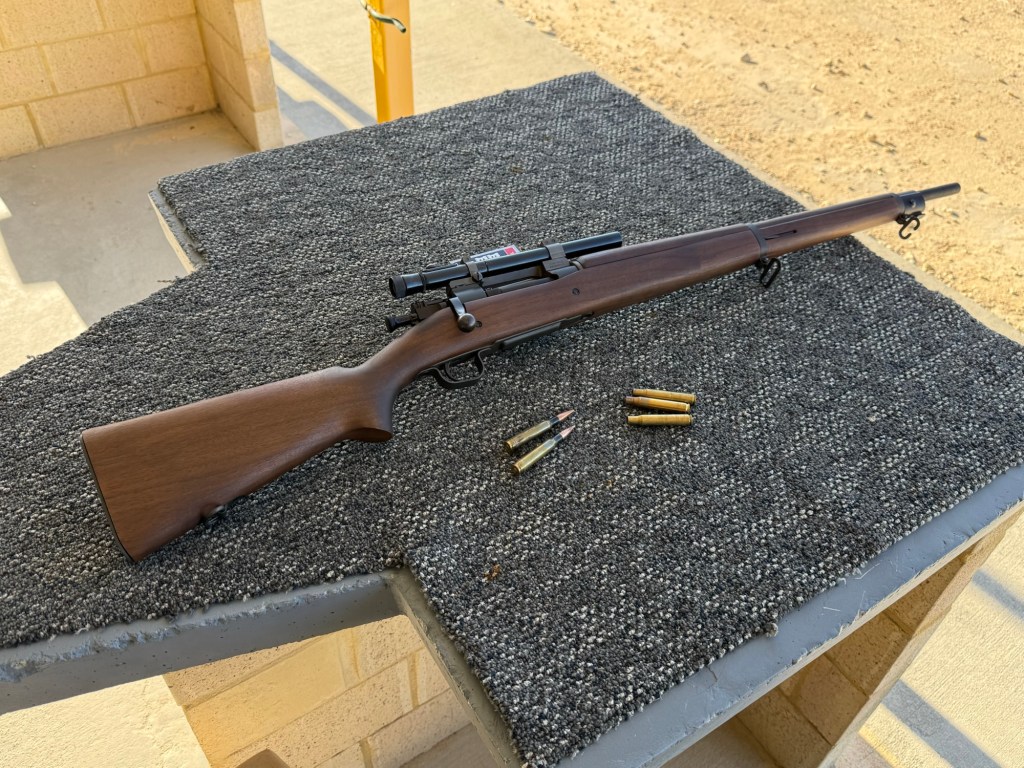
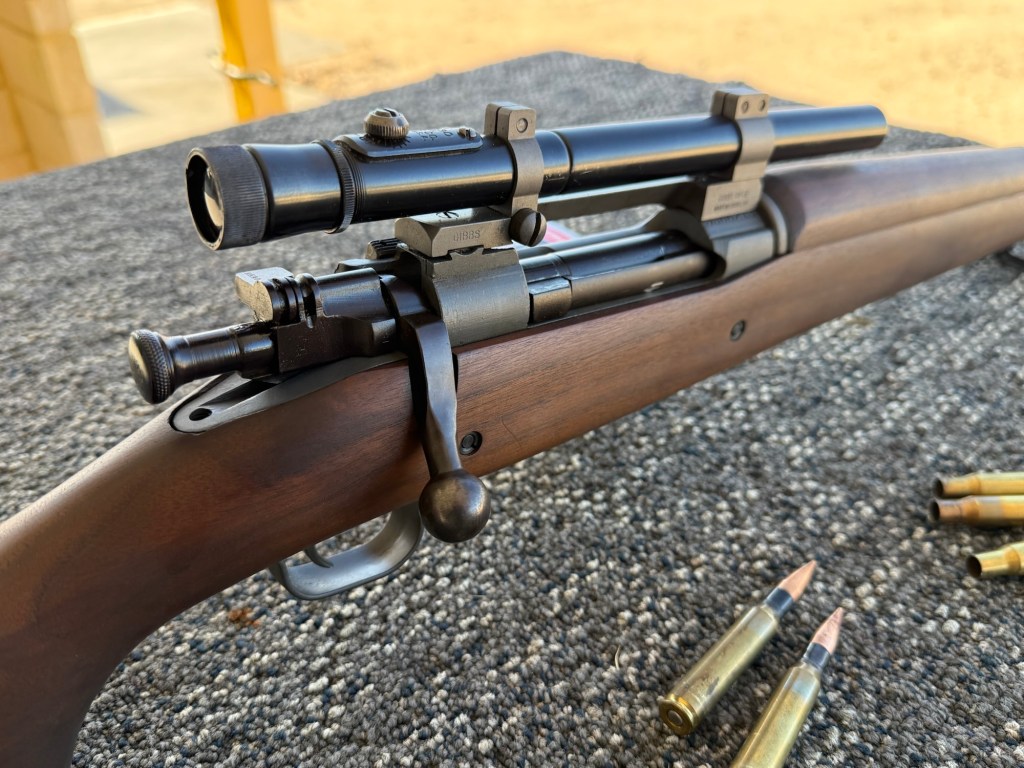
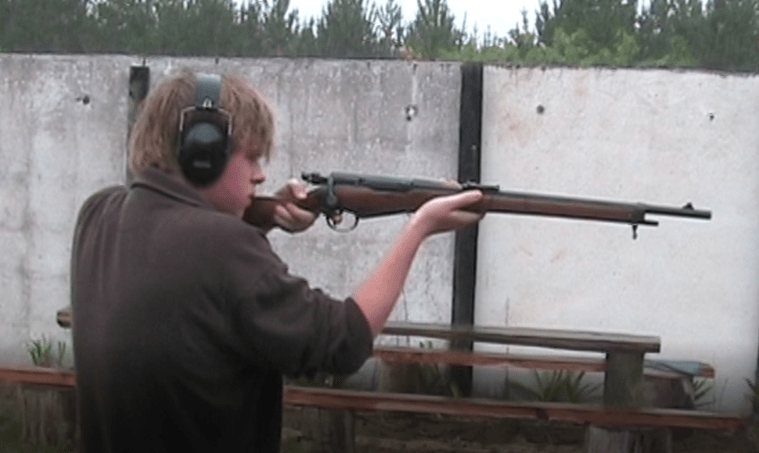
The rifle shown here is a replica of the famous American WW2 sniper rifle: The M1903A4. While it is not an original A4, it is built on a genuine M1903A3 action, which gives it real historical credibility. That said, the markings and serial numbers differ from those found on original A4 rifles.
World War II marked the first time sniper rifles were widely used in combat. Early on, the U.S. relied on M1903 National Match rifles that were quickly adapted for sniper duties. Later, the military began converting large numbers of M1903A3 rifles specifically for precision shooting, designating them as the M1903A4. These rifles were produced without iron sights, but the muzzle was still machined to accept a standard front sight base. One-piece Redfield scope bases were mounted using the rear sight location and secured to the front receiver ring.
Although labeled as M1903A3s, true M1903A4 sniper rifles had unique receiver markings. The markings on the front receiver ring were split so they could still be seen with the scope base installed. These rifles also used carefully selected receivers and barrels that met very tight specifications, ensuring consistent accuracy.
The M1903A4 was officially adopted on January 14, 1943, more than a year after the U.S. entered the war. The government initially directed 20,000 M1903A3 actions for sniper rifle production, followed by another order of 8,365 rifles five months later. Production ended less than a year after it began, with just under 30,000 rifles completed. Despite this relatively short production run, the M1903A4 saw service in World War II, the Korean War, and even into the Vietnam War.
In combat, the rifle performed well out to about 600 yards. Beyond that distance, its effectiveness was limited by the optics of the time. Standard-issue Weaver scopes had low magnification, usually 2.2X or 2.75X, and small 0.75-inch tubes that restricted the field of view. While an 8X Unertl scope was approved as an option, it was rarely issued, making long-range target identification difficult.
Years later, Gibbs Rifle Company began producing faithful M1903A4 replicas. These rifles used newly manufactured parts combined with original Remington M1903A3 actions. The actions came from deactivated drill rifles acquired when Gibbs purchased Parker-Hale’s rifle division in the 1990s. Each action was carefully restored and tested for proper hardness, and original, unissued World War II-era bolts were fitted.
New four-groove barrels were installed, receivers were correctly drilled and tapped, and replica mounts and rings were added. The rifles were finished with a Hi-Lux/Leatherwood reproduction of the M73B1 scope, which closely matches the original except for being waterproof.
Me and my dad got my Gibbs M1903A4 rifle back in 2011.
The U.S. Model 1903 is a bolt-action rifle with dual locking lugs, a large Mauser-style claw extractor, and a three-position safety mounted on the bolt. It feeds from a five-round internal magazine that can be loaded one round at a time or by stripper clips. While stripper clips are still available today, they can’t be used on the 1903A4 because the scope mount blocks the guide. A small lever at the rear left of the action acts as both a bolt release and a magazine cutoff, allowing the rifle to be fired as a single shot while keeping a full magazine in reserve.
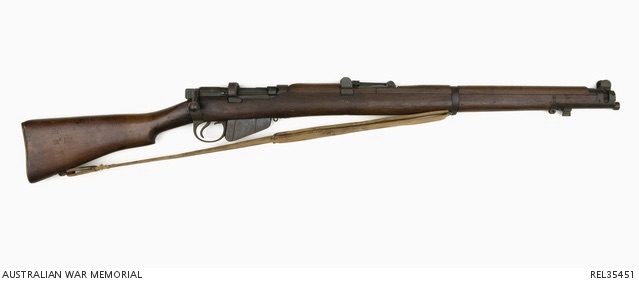
Its time to talk about the weapon of the ANZAC’s! Up until recently I thought that this rifle was only used in WW1. As I have always been well aware of the Lee Enfield No.4 which was the upgraded model. I thought that all commonwealth forces went into WW2 carrying No4’s but actually it turns out Australia only carried Lee Enfield No1 Mk3s. New Zealand apparently started with No1’s but slowly upgraded to the new No’4s as the war went on.
Now let’s dive into what makes this iconic rifle so legendary!
This rifle is by far the most well-known Lee–Enfield was rifle, it was introduced on 26 January 1907 with the Pattern 1907 bayonet. It featured simplified sights, a fixed charger guide, improved handguards and magazine design, and was adapted to fire the new Mk VII high-velocity .303 ammunition. Many earlier Lee–Enfield and Lee–Metford rifles were rebuilt to this standard, known as “Mk IV Cond.”
The No. 1 Mk III also included a cleaning kit stored in the buttstock, with a pull-through, cloths, and an oil bottle.
During World War I, the Mk III was considered too complex and costly to produce, so the simplified Mk III* was introduced in 1915. It removed features like the magazine cut-off, volley sights, and windage adjustment. Some changes were added gradually across factories. The magazine cut-off returned after the war and wasn’t fully phased out until 1933, with some rifles still using it into the 1960s.
The rifle was later adapted for grenade launching, using a removable cup and blank rounds to fire modified Mills Bomb grenades up to about 200 yards.
Because major factories couldn’t meet wartime demand, Britain used the “peddled scheme,” outsourcing production and quadrupling output in the first year of the war.
The Mk III* served widely in World War II across North Africa, Italy, the Pacific, and Burma. Australia and India continued producing it as a standard rifle, with Australia keeping it through the Korean War until replaced by the L1A1 SLR in the late 1950s. Lithgow stopped production in 1953.
India’s Ishapore factory later developed the 2A and 2A1 models, strengthened to fire 7.62×51mm NATO, and production continued into the 1980s.
The rifle became widely known simply as the “three-oh-three.”
I enjoyed writing about the pattern 1914 Enfield so much I must talk about US adaptation of that very rifle.
From a collector’s point of view, the M1917 Enfield is one of those rifles that quietly did the hard work of history, yet never quite got the credit it deserved.
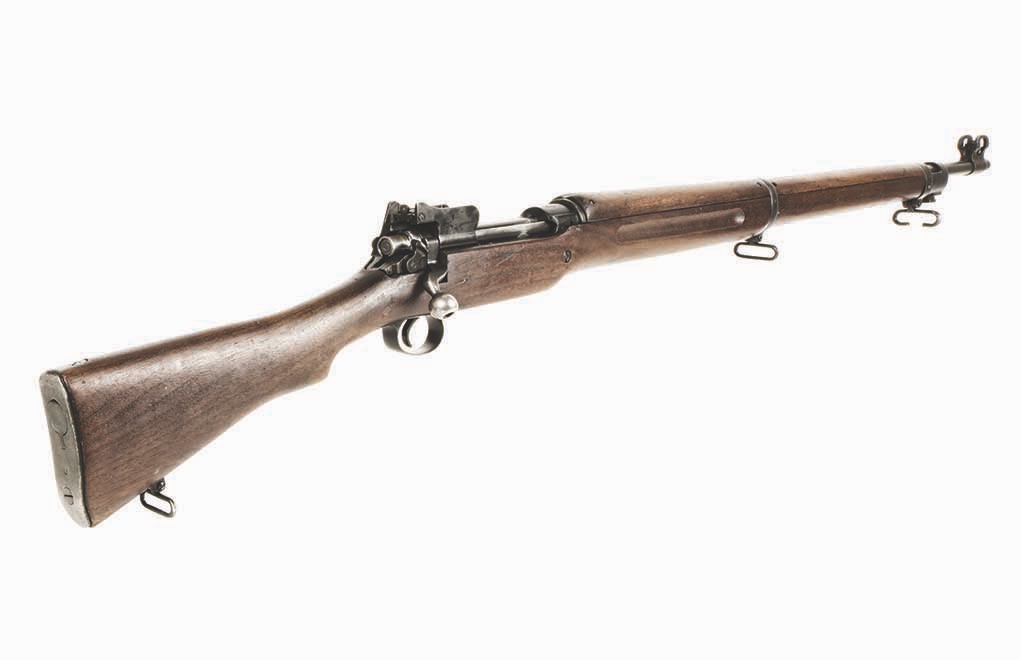
Officially known as the United States Rifle, Calibre .30, Model of 1917, the M1917 is essentially an American adaptation of the British Pattern 1914 Enfield. Despite the name, it has nothing to do with the Lee–Enfield. Instead, it is a big, strong Mauser-inspired bolt-action rifle that became the most widely issued American rifle of the First World War.
Before the Great War, Britain was already questioning the limits of the SMLE and its .303 cartridge, especially after facing accurate long-range fire from Mauser rifles during the Boer War. This led to the development of a new rifle at Enfield, heavily influenced by Mauser design principles. The original plan was to chamber it for a powerful new .276 Enfield cartridge, but the round proved impractical under wartime conditions.
When war broke out, Britain urgently needed rifles and turned to American manufacturers. The design was reworked to fire the familiar .303 British cartridge and became the Pattern 14. Winchester, Remington, and Remington’s Eddystone plant all produced the rifle.
When the United States entered the war in 1917, it faced the same problem: not enough rifles! Rather than retool factories to make more M1903 Springfields, the U.S. wisely adapted the existing Enfield design to the .30-06 Springfield cartridge. The result was the M1917 Enfield.
Production was enormous. Between Winchester, Remington, and Eddystone, over two million M1917s were built, easily outnumbering the M1903. By the end of the war, around three-quarters of American troops in France were carrying the M1917.
The rifle earned a solid reputation for strength, reliability, and accuracy. One of the most famous users was Sergeant Alvin C. York, who carried an M1917 during the action that earned him the Medal of Honor.
Despite this, the M1917 never quite shook its “stand-in” status, even though it was arguably better suited to mass wartime production than the Springfield.
After the armistice, most M1917s went into storage, though many were later sold as surplus. A large number were sporterised, and the action proved so strong and popular that Remington built new sporting rifles from it as the Remington Model 30.
Various countries adopted or experimented with the rifle, including Honduras, which fielded a 7×57mm version, and others who rechambered surplus rifles to different calibres.
At the start of the Second World War, the M1917 returned to service in secondary roles. It armed artillery crews, chemical mortarmen, training units, and Home Guard forces in Britain. Canada also purchased tens of thousands to cover shortages.
The rifle saw service in surprising places long after its supposed retirement. It appeared with Chinese forces in Korea, in various post-war conflicts, and even today remains in active service with the Danish Sirius Dog Sled Patrol in Greenland, chosen for its reliability in extreme Arctic conditions.
From a collector’s perspective, the M1917 has real presence. It is long, heavy, and unapologetically robust. The action was originally designed for a very powerful cartridge, which explains its strength and smooth bolt operation.
A Mauser-style action with a distinctive dog-leg bolt handle Cock-on-closing operation, inherited from British practice An excellent rear aperture sight protected by sturdy “ears” A six-round magazine capacity in .30-06 A long, heavy barrel that contributes to excellent long-range accuracy
It is heavier than the M1903 Springfield, and its length made it awkward in trenches, but on the range it shines. The sight picture is superb, and the rifle has a solid, confidence-inspiring feel that collectors quickly appreciate.
Often overlooked in favour of the 1903 Springfield or the M1 Garand, the M1917 deserves far more respect. In many ways, it was the rifle that actually won America’s first modern war.
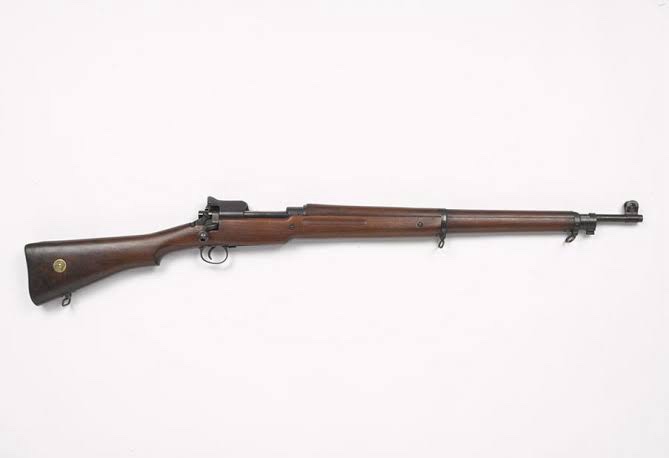
The .303 Pattern 1914 Rifle, better known simply as the P14, is one of those rifles that just looks right. Big, purposeful, and unapologetically overbuilt, it has a presence that immediately sets it apart from other First World War service rifles. With its distinctive dog leg bolt handle, massive receiver, and unmistakable protective sight ears, the P14 looks every bit the serious military tool it was designed to be.
Born out of hard lessons learned during the Boer War, the P14 was originally intended to fire the powerful .276 Enfield cartridge. War intervened and practicality won out, so the rifle was adapted to the familiar .303 British round. Because British industry was already stretched thin, production was handed off to American manufacturers, Winchester, Remington, and Eddystone, resulting in over a million rifles built across the Atlantic. Each maker left subtle differences, which only adds to the appeal for collectors today.
Although it never replaced the Short Magazine Lee Enfield as Britain’s primary infantry rifle, the P14 carved out a well earned reputation for strength and accuracy. It was heavier and slower to feed, but it was incredibly solid, and many shooters then and now consider it one of the most accurate rifles of the era. It is no surprise it was favoured as a sniper rifle in both world wars.
The design itself is fascinating. The action is large, smooth, and confidence inspiring, clearly descended from the Mauser system but refined with British ideas about rapid fire and ergonomics. Everything about it feels deliberate and robust, from the long bolt throw to the deep, well protected aperture sights. Pick one up and you immediately understand why people often describe it as being over engineered, in the best possible way.
For me, the P14 also has a personal pull. My uncle has a few examples, and I am genuinely looking forward to getting a proper look at them. Rifles like these are not just pieces of steel and wood. They are physical links to a period when military design was evolving rapidly under the pressure of global war. Seeing multiple P14s side by side, each with its own markings, wear, and character, is exactly the sort of thing that reminds you why collecting is so rewarding.
Officially declared obsolete in 1947, the P14 refused to fade quietly into history. Surplus rifles spread throughout the Commonwealth, where many were cherished by shooters and collectors alike. Today, the Pattern 1914 Enfield stands as one of the most interesting and visually striking bolt action service rifles ever produced. It may not have been the fastest or most practical, but it undeniably has style, substance, and soul.
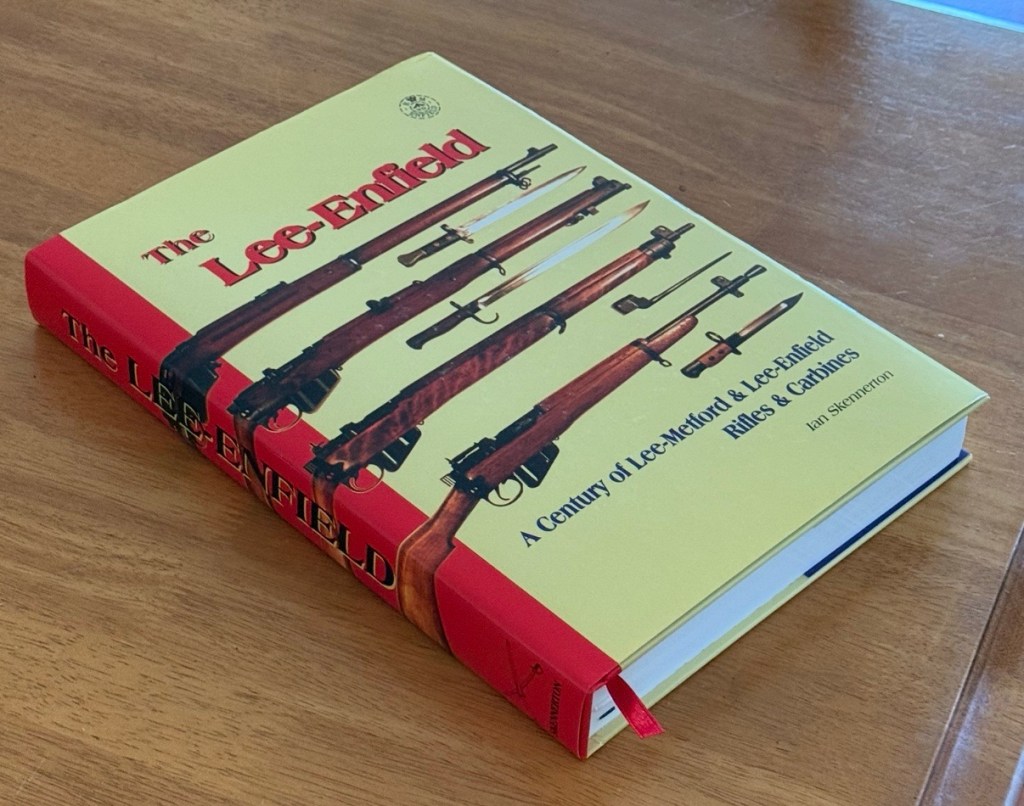
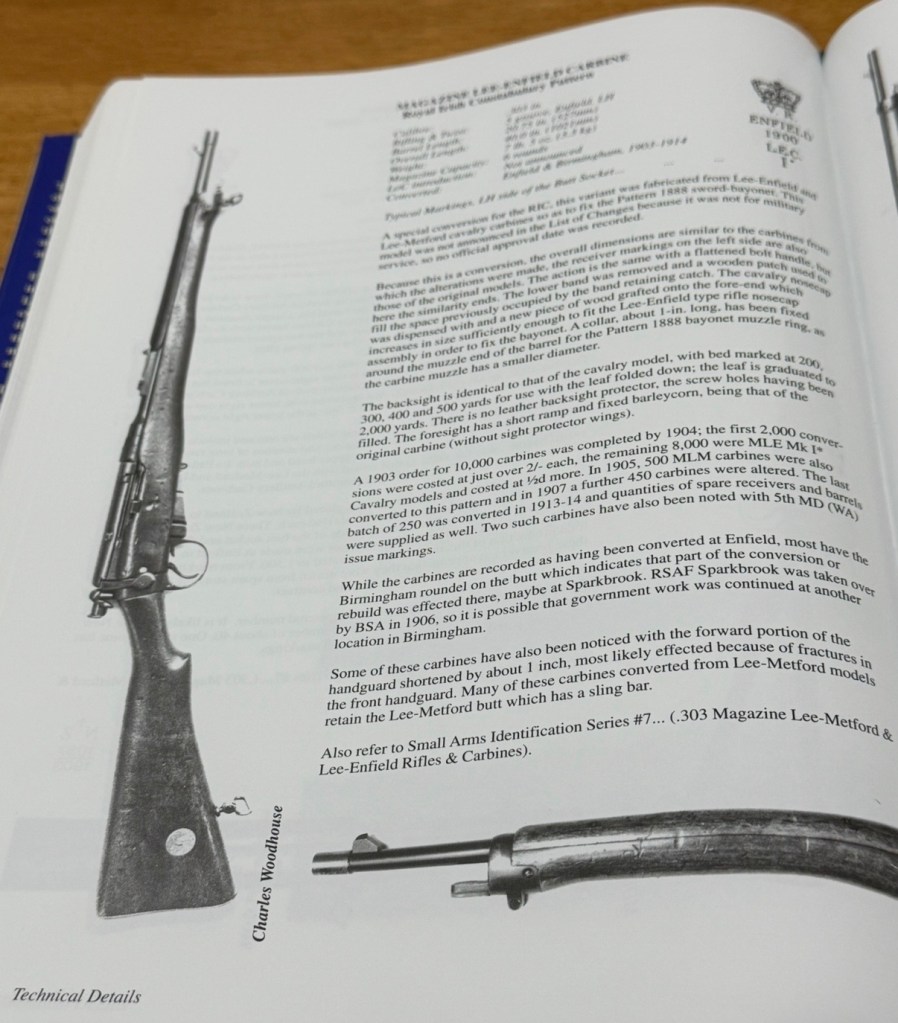
Bought this book recently as I have enjoyed researching the rare New Zealand carbine in my possession. It really does have it all. Everything you need to know about anything to do with the production and many variations of Lee Enfield rifles is in this book.
This is an impressive book. It weighs 2kg and measures 30.5 × 22 × 3.5 cm. It cost a pretty penny. I was lucky to find it on eBay secondhand for about $130 AUD but they are going from around $150 to $200 usually.
The exterior is excellent. The heavier dust jacket feels sturdy and comfortable to hold, and the built-in red, white, and blue ribbon markers are a thoughtful and helpful touch.
Going through the book it starts with the opening chapter, which covers basic model identification, is new and very useful, especially for practical reference. Placing it at the front of the book was a smart decision.
The book then returns to the origins of the Lee-Enfield, detailing why it was developed and who was involved. This section is with more information on Lee himself
I’ve only begun reading in depth, so I won’t attempt a full chapter-by-chapter review However, even a brief flick through shows the wealth of knowledge this book has. With a lot of content, photographs, and extensive use of colour throughout. I’m very much looking forward to spending more time with it.
In short, this is the definitive work on the Lee-Enfield. It sets a new standard not only for books on this rifle, but for firearms reference books in general. I highly recommend it.
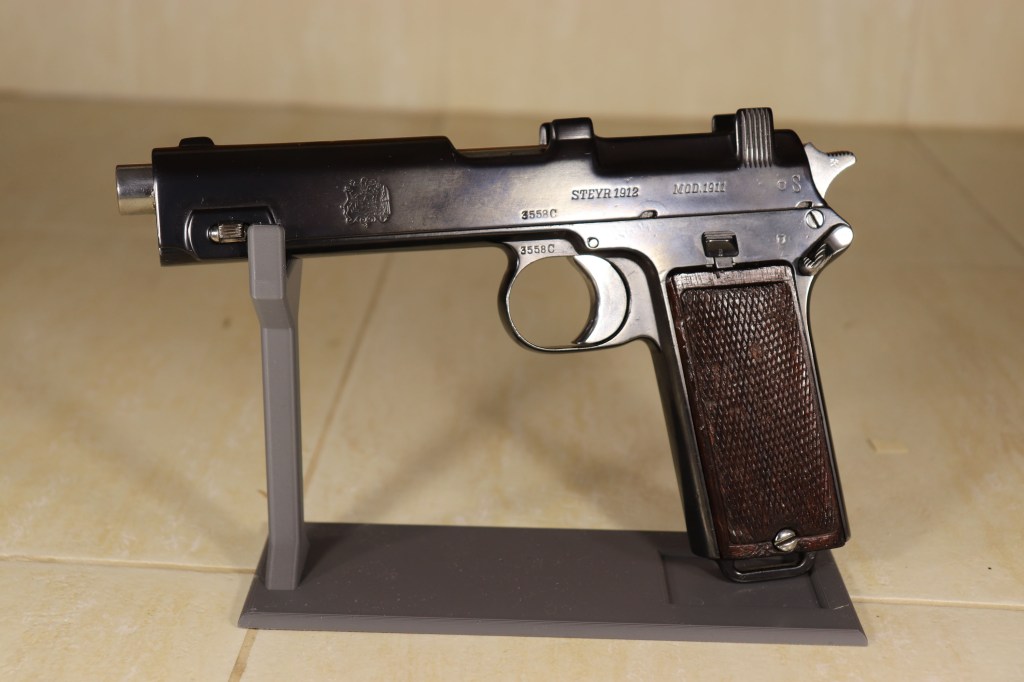
For this show and tell, I am presenting a fascinating piece of military history: the Chilean 1912 Contract Steyr-Hahn M1911 Service Pistol. This semi-automatic sidearm boasts a unique heritage and engineering, making it a rare and sought-after collector’s item.
The Steyr-Hahn M1911 is chambered in 9mm Steyr and utilises an 8-shot magazine, which is loaded via stripper clips. It features a 130mm (5 1/8″) barrel and is fitted with checkered wood grips, providing both style and functionality. The slide is proudly marked with the Chilean crest, “Steyr 1912”, “MOD.1911”, and “Ejercito de Chile”—the latter translating to “Army of Chile”. Collectors will also note various small proof marks and a prominent “S” on the firearm, all indicative of its authenticity and provenance.
The Steyr M1912, also known as the Steyr-Hahn, was developed by the Austrian firm Steyr Mannlicher in 1911. Its design is believed to be based on the mechanism of the earlier Roth-Steyr M1907, another innovative pistol of its era. Initially, the Steyr M1912 was created for use by the Austro-Hungarian Army and was officially adopted in 1912 as the M1912 pistol.
What makes this particular example especially rare is its connection to the Chilean military. In 1912, a contract for 5,000 Steyr-Hahn M1911 pistols was arranged for the Chilean Army. These pistols bear distinct markings that set them apart from their European counterparts, making them highly desirable among enthusiasts and historians alike.
Due to the limited number produced for the Chilean contract, surviving Steyr-Hahn M1911 service pistols from this batch are uncommon. Their historical significance, unique features, and connection to both Austrian and Chilean military history contribute to their collectability.
In summary, the Chilean 1912 Contract Steyr-Hahn M1911 Service Pistol stands as a testament to early 20th century firearm innovation and international military collaboration. Its rarity and rich backstory make it a true gem for any collector or enthusiast interested in the history of military sidearms.
Unfortunately I no longer own this piece as I sold it recently. This post will be my reminder of this unique pistol.
I have been researching the American civil war and some of the Defining Battles also infantry rifle used in the conflict.
It’s Over a hundred 160 years since the American civil war started, and raged for (4 long years, 1 month and 2 weeks) what a hell of a thing it must have been, so many casualties and lives lost.
While searching infantry rifle I came across the Remington 1863 which was of interest to me because
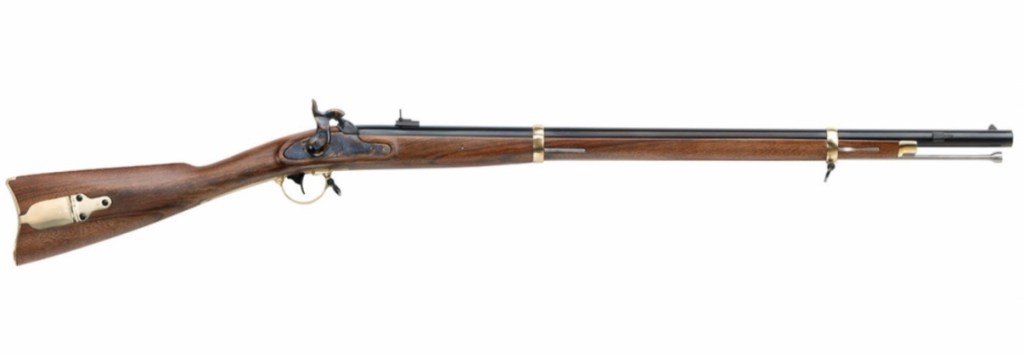
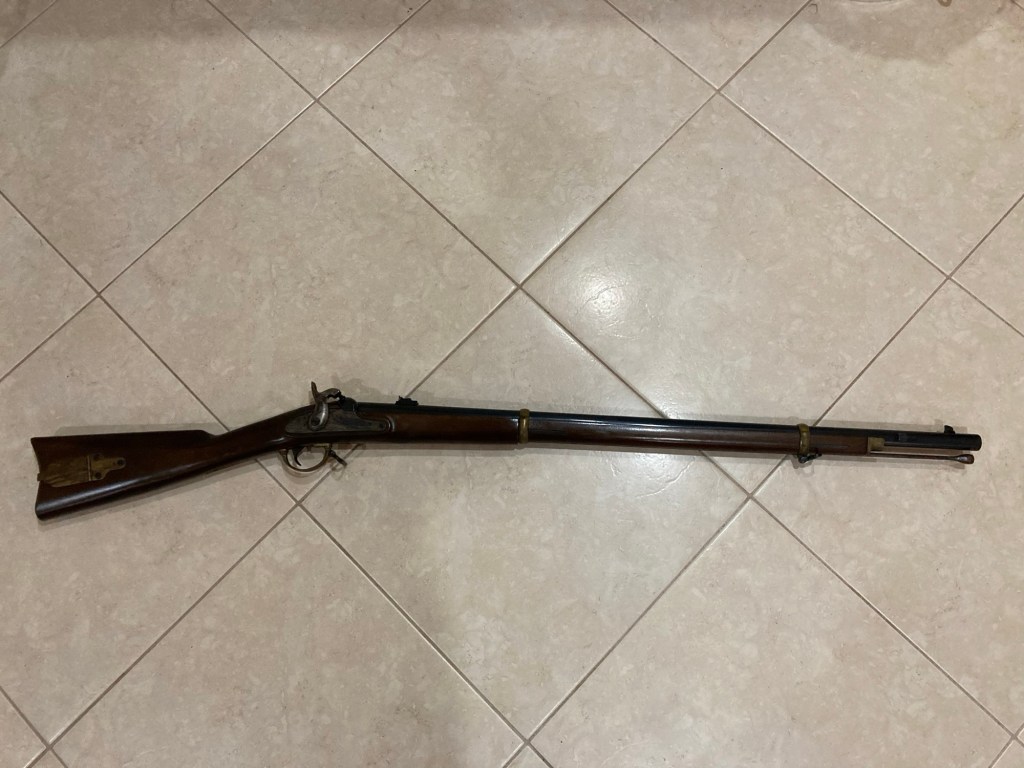
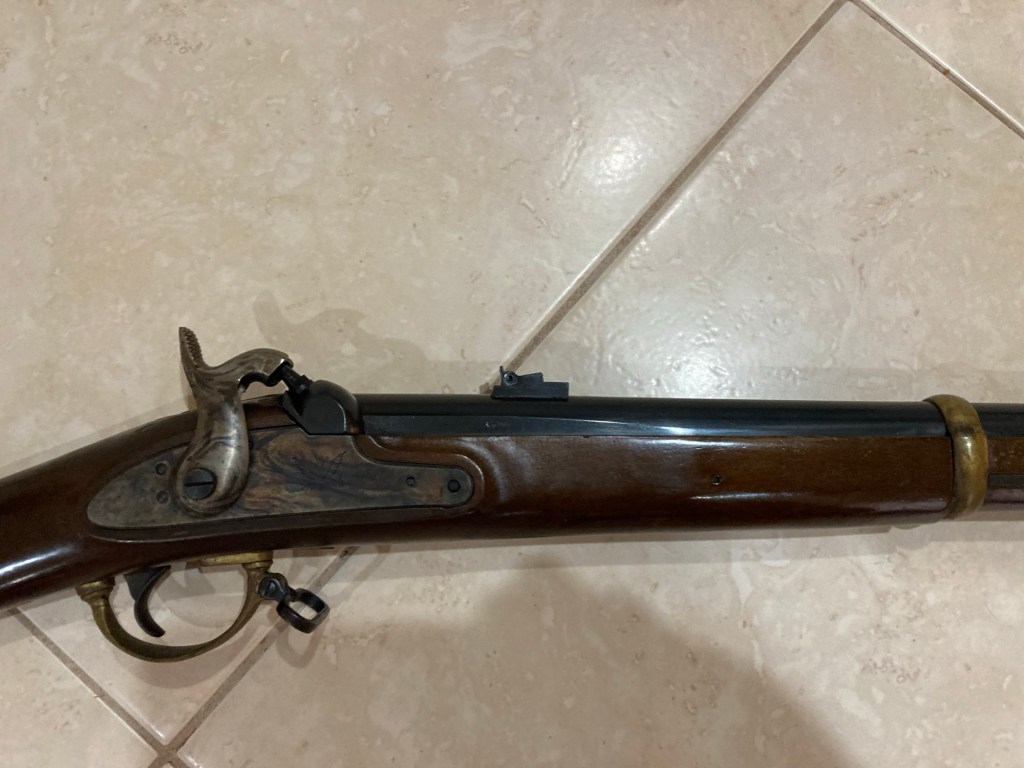
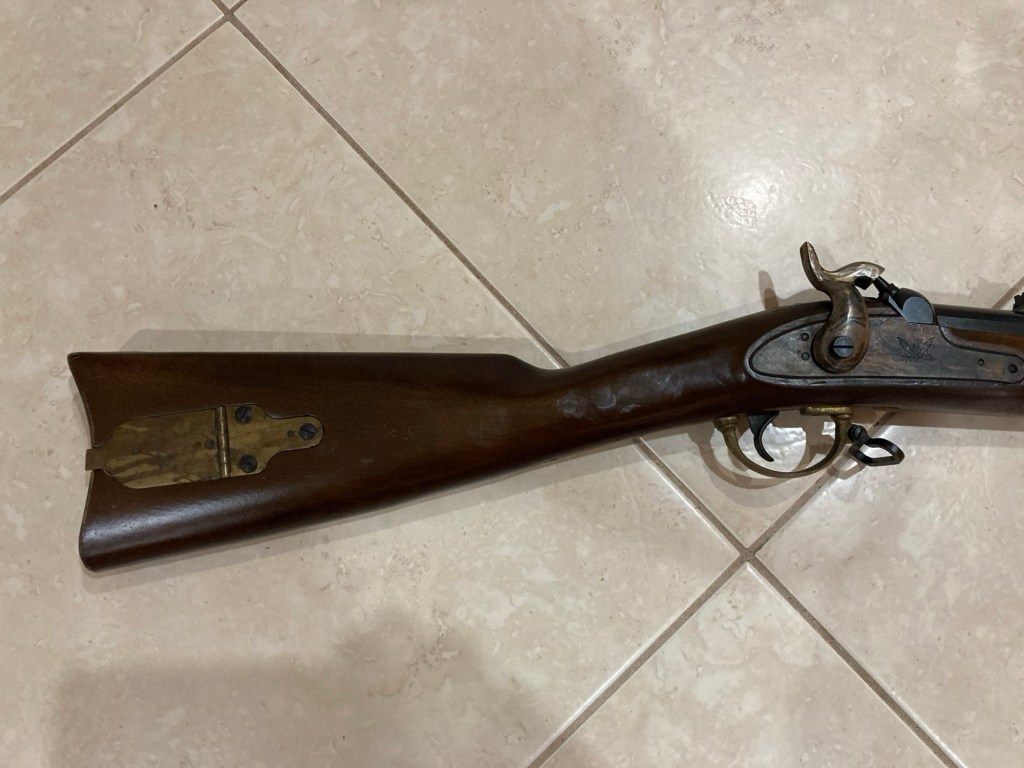
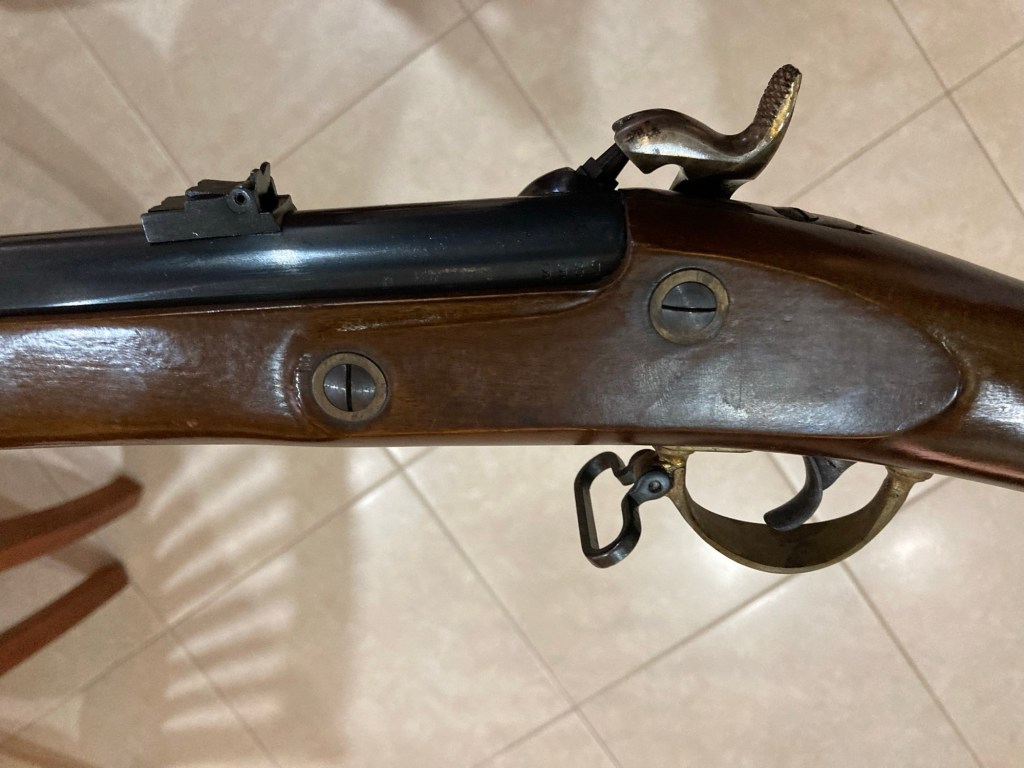
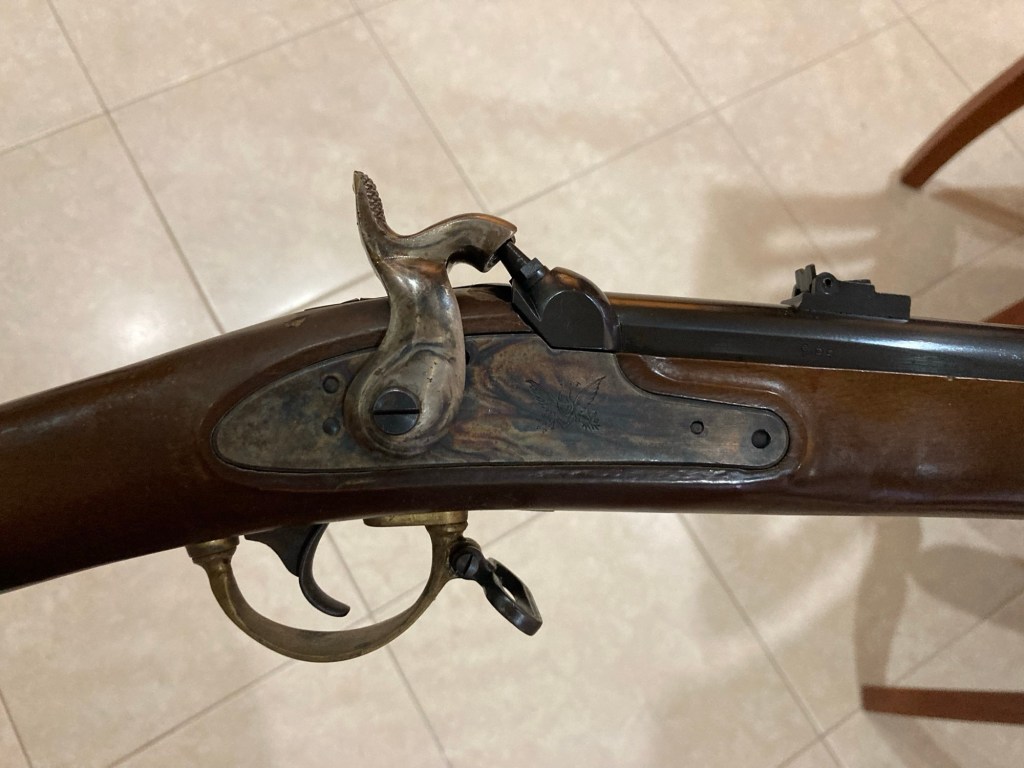
I have a Armi Jager .58 cal Percussion rifle which I believe is a replica of the Remington 1863 rifle.
Also known as the “Zouave Rifle,.58-caliber muzzle loading 1863 Remington ,Although over 11,000 were manufactured, exactly who used them and how they acquired the name Zouave is a bit of a mysteries.The Zouaves were a class of light infantry regiments of the French Army serving from 1830 to 1962 so I am thinking the rifle might have got its name from that, (light infantry) but really not sure.
I stumbled across this information which I found very interesting.
While collectors have long referred to the Remington Zouave Rifle as the US Model 1863, information published by arms researcher and author George Moller indicates that the correct terminology is the Model 1862 Rifle. These 33” barreled percussion rifles are among the most attractive and best built of all the Civil War era US military long arms. In July of 1861, the US government contracted with the Remington Arms Company of Ilion, NY to produce 10,000 rifles of the Harper’s Ferry pattern, complete with brass handled saber bayonets for $20.00 each. The term Harper’s Ferry pattern during the period referred to either the Harper’s Ferry long-range altered Mississippi Rifle or the US Model 1855 rifle that had been in production at the rifle works in Harper’s Ferry prior to the burning of the armory and its subsequent capture by the Confederacy. In reality the rifle was a simplified and improved version of the US M1855 rifle. It eliminated the Maynard mechanical tape priming system and included older M1841 features like brass furniture and seven-groove rifling on some of the rifles, while others were rifled with the standard US three-groove rifling system.
Due to manufacturing delays, probably due to the tooling up process at the factory, Remington did not actually deliver any arms until April of 1863. While testifying before the Holt-Owens Commission in April of 1862, Remington requested that the contract be enlarged to 40,000 or 50,000 rifles and offered to reduce the per unit price from $20 to $17, complete with bayonet. The Ordnance Department agreed to a new contract for an additional 10,000 rifles in August of 1862, but it appears that this contract simply replaced the contract from 1861. Additional manufacturing delays prevented the last 2,500 rifles from the contract from being delivered before the contract expired. In order to receive these rifles, the Ordnance Department authorized a new contract in December of 1863 for 2,500 rifles. This allowed the guns to be delivered but has led to the misconception that Remington actually produced 12,500 rifles, when in fact they only delivered 10,001 between April of 1863 and January of 1864. All of the rifles were delivered to the Watervliet Arsenal in New York, but none were ever issued during the course of the war. All of the rifles were sold to Francis Bannerman & Company on August 8, 1907 for $0.54 each, having never seen any military service, and essentially becoming a footnote in Civil War military arms history. It is interesting that when the Centennial of the American Civil War brought Civil War re-enacting to a large number of new participants, it was the Remington “Zouave” that was chosen as the representative Civil War long arm to have reproduced for the new living historians. A truly ironic choice for those involved in a hobby that would be plagued with historical pitfalls and misconceptions from its very beginnings!
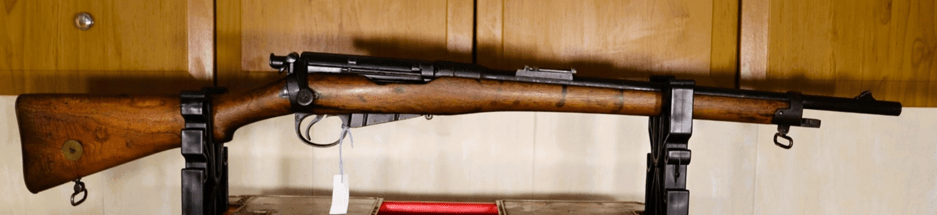
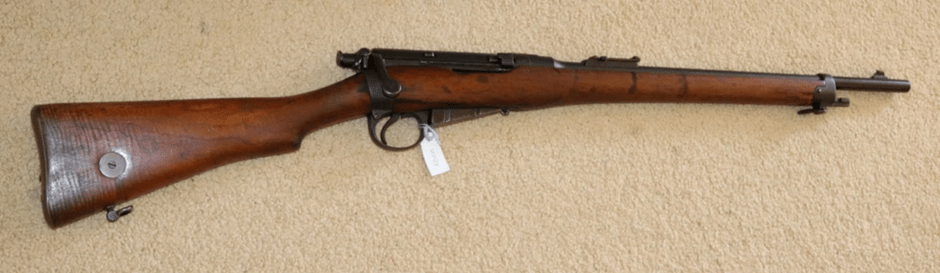
Have you ever had one of those moments when you suddenly realise you’re in possession of something truly rare and special? It’s an incredible feeling — one that doesn’t happen every day, but when it does, it’s unforgettable. One such moment happened for my family back in 2011, when my Uncle Ron came across an article on the internet. The title caught his attention immediately: “The Rarest of All Lee-Enfields: The New Zealand Carbine.”
The photos in the article looked strikingly similar to a Lee-Enfield rifle my father, Kevin Baker, owned. After a bit of investigation, we were thrilled to discover that our rifle was indeed one of the very rare New Zealand Lee-Enfield carbines mentioned in the article. What an exciting moment — to realise we had such a remarkable piece of New Zealand military history in our hands!
Just how rare are we talking? It’s believed that only 1,500 of these carbines were ever produced. They were originally manufactured for use in the Boer War 1899 – 1902, intended to replace the Martini-Enfields carried by the New Zealand Mounted Riflemen. This upgrade came in response to the Boer forces’ superior, magazine-fed Mauser rifles.
So how did this rare treasure end up in my family’s possession? The story goes that it was first owned by my dad’s uncle Doug, a collector based in Katikati, New Zealand during the 1950s. Doug had close ties with both the New Zealand Army and Police, and it’s said he acquired the carbine from the police for his collection. Apparently, my grandfather owned a Lee-Enfield rifle that Doug admired, so the two arranged a trade —Doug swapping the NZ Carbine for my grandfather’s rifle, obviously not knowing just how valuable the carbine truly was.
Years later, when my grandfather decided to pass his firearms down to my father and uncle, they decided to divide the collection between them with a coin toss. Dad won the coin toss, getting the first pick, he chose the NZ Carbine! It stayed in New Zealand for many years under my uncle’s care until, around 2019, Dad decided to bring it back home to Perth, where we live and where I grew up.
Recently, I’ve been diving into research on the NZ Carbine, and I’d love to share what I’ve discovered.
Around 1901, New Zealand was in the middle of rearming its forces with the new Magazine Lee-Enfield rifles. At the same time, the country needed to replace roughly 1,200 Martini-Enfield Artillery Carbines that had been sent off to South Africa with the early New Zealand soldiers fighting in the Anglo-Boer War. It makes perfect sense that these older Martini carbines would be swapped out for a newer magazine-fed version. Originally listed as “Carbine, New Zealand, Magazine, Lee Enfield; fitted to take the pattern 1888 sword bayonet”. (LEC 88).
Whether New Zealand specifically requested the LEC 88 or was simply offered it by the Royal Small Arms Factory (RSAF) isn’t entirely clear. What is clear, however, is that New Zealand became the only customer for this unique variant of the Lee-Enfield Carbine, ordering a total of 1,500 rifles along with spare parts and replacements. By 1902, the British Army had decided to move forward with the new Short Magazine Lee-Enfield (SMLE) across all branches, leaving no further demand for the LEC 88. As a result, New Zealand’s small order stands out as the only one of its kind — making these carbines incredibly rare today.
The story of the New Zealand Carbine actually begins nearly a decade before its official approval in 1900. While all military Lee carbines were made at the Royal Small Arms Factory (RSAF) in Enfield, other companies were also experimenting. In 1892, the Birmingham Small Arms & Metal Company (BSA&M) released a “trade pattern” magazine carbine, soon followed by the London Small Arms Company.
These early carbines had Metford barrels, a clearing rod, and a bayonet mount similar to the one later used on the Lee-Metford Mk II rifle. New Zealand put in an order for 1,000 of a remarkably similar carbine in 1900, along with a second order for a further 500 in 1902 Each batch was distinctive but differed slightly from the other. These are known as the “complete-carbine batches,” separate from later orders for spare parts.
There’s been a lot of debate about why the New Zealand government bought this carbine in the first place but as I mentioned before most believe it was to directly replace the martini action lee enfield that NZ riflemen were using. But whether it was ever actually used in the South African War is unknown. Unfortunately, most of the evidence is based on stories rather than records, since many official files have been lost. Apparently there was a fire at the Wellington government building, which explains why a lot of this information has been lost.
The first batch of carbines seems to have been intended for New Zealand-based units like the field artillery, engineers, and naval artillery—not for the troops fighting in South Africa. The fifth group of soldiers left in March 1900, two months before the carbine was even approved, and the sixth departed in January 1901, likely before the rifles even reached New Zealand.
An Auckland Star report from August 1901 stated that the new Lee-Enfield magazine carbines were being issued to local volunteer units, not overseas forces. This suggests the carbines arrived mid-1901 and stayed in New Zealand. Even with 1,500 made, there wouldn’t have been enough for all 6,500 soldiers who served in South Africa. It is quite likely that these rifles were never used in the war.
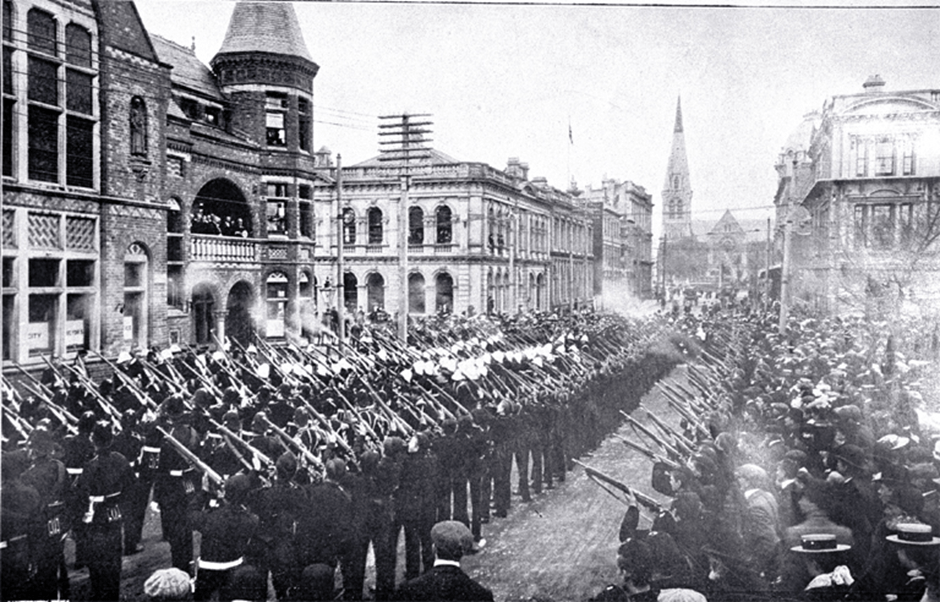
What we do know for sure is that most, if not all, of the New Zealand carbines were in the country by mid-1902. A well-known photo, the “Feu de Joie,” shows Christchurch Naval Volunteers using them during a parade for King Edward VII’s coronation celebrations in June 1902. Since the war in South Africa ended only a month earlier, it’s clear the carbines had already been in New Zealand for some time.
After the war, the newly formed Volunteer units received both Long Magazine Lee-Enfields (“Long Toms”) and some NZ carbines. The Volunteer Corps, made up of local militias, existed from 1865 until 1909, when it became the Territorial Army. Below is a 1907 photo shows hundreds of Christchurch Volunteers with NZ carbines celebrating New Zealand’s new dominion status.
Around this time, as the military shifted to a single standard rifle—the SMLE—the New Zealand carbines were gradually passed down to cadet units. In June 1903, the Auckland Star reported that the Christchurch Queen’s Cadet Corps was trading in its old Martinis for “new magazine Lee-Enfield carbines.” By 1913, records show 1,485 carbines issued to cadets, only slightly fewer than the total originally ordered.
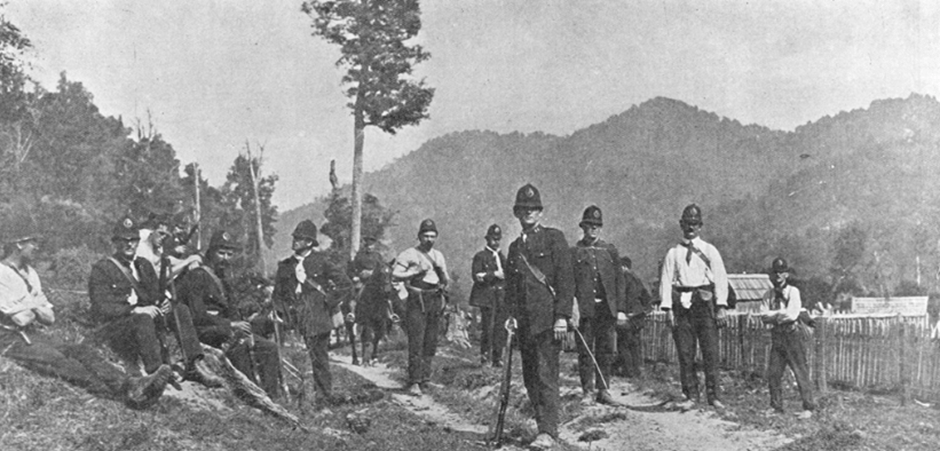
Some of these carbines later went to the New Zealand Police and were still in use during World War I. Historian James Cowan describes their use during the 1916 arrest of Māori leader Rua Kēnana, when police forces armed with rifles and revolvers were sent to detain him. Rua was acquitted of treason but served two years for resisting arrest. You can tell they are New Zealand carbines by how close strap is to the end of the back.
Evidence suggests that the “rifles” mentioned by Cowan were actually New Zealand carbines. In a photo of the police column heading to Rua Kēnana’s settlement, several officers at the front are clearly carrying short carbines—not Long Toms, which would have been much longer. The visible pistol grip rules out the Martini-Enfield, and the shoulder slings confirm they weren’t cavalry models. Another photo from the same event shows police with the same short, sling-fitted carbines—almost certainly New Zealand Carbines.
This finding is especially exciting for me because it perfectly matches my uncle’s story about how our family came to own our NZ Carbine. My Dads uncle obtaining it from NZ police!
This exciting piece of New Zealand military history is one of the 5 known examples currently in Australia according to a survey of known carbines, conducted in 2014. Our rifle has the serial number of 878 which nicely places it within the first batch.
I’ve even been lucky enough to shoot this rifle in the past while it was still in NZ. I think that was before we realised how rare it is. But it’s in good condition considering it’s over 100 years old. My uncle had always taken really good care of it for us over the years. Unfortunately, dad’s NZ carbine, is now my NZ Carbine. Sadly my wonderful dad, Kevin passed late 2024. So it’s currently in storage and it is waiting to be added to my collection as I sort out my licensing. It’s an honor to share this piece with you all and I think my dad would be proud that I’m going to hold on to his old and surprisingly rare rifle for him.
References
AS 1901: Auckland Star, 14 August 1901. AS 1902: Auckland Star, 7 June 1902. AS 1903: Auckland Star, 18 June 1903.
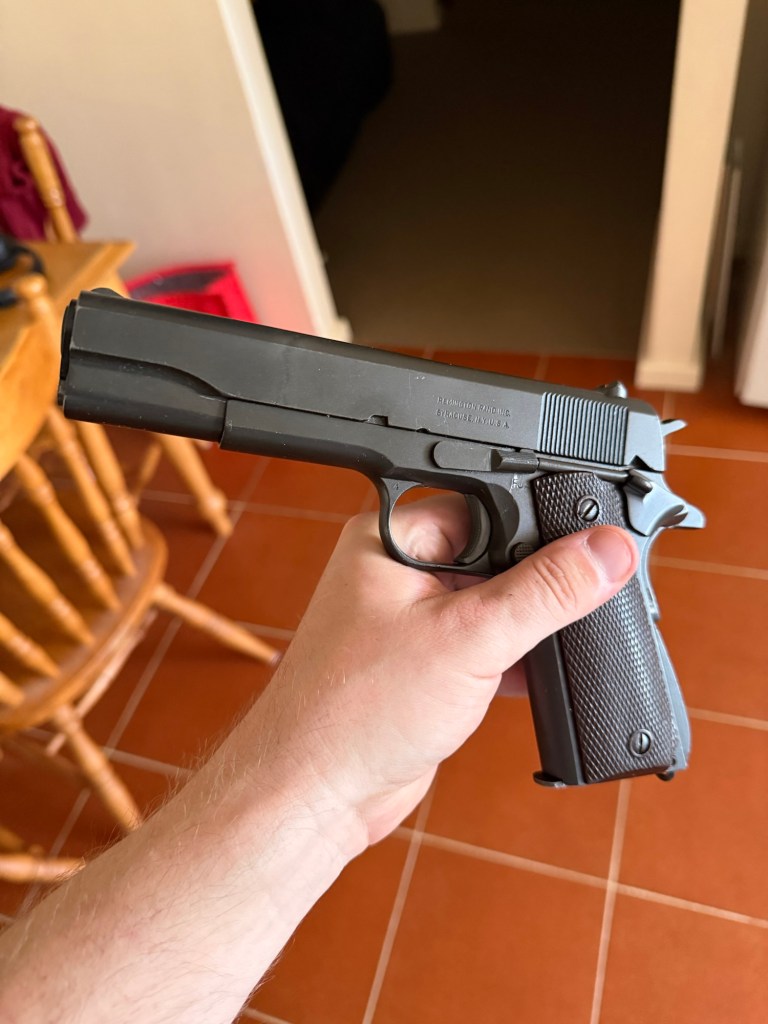
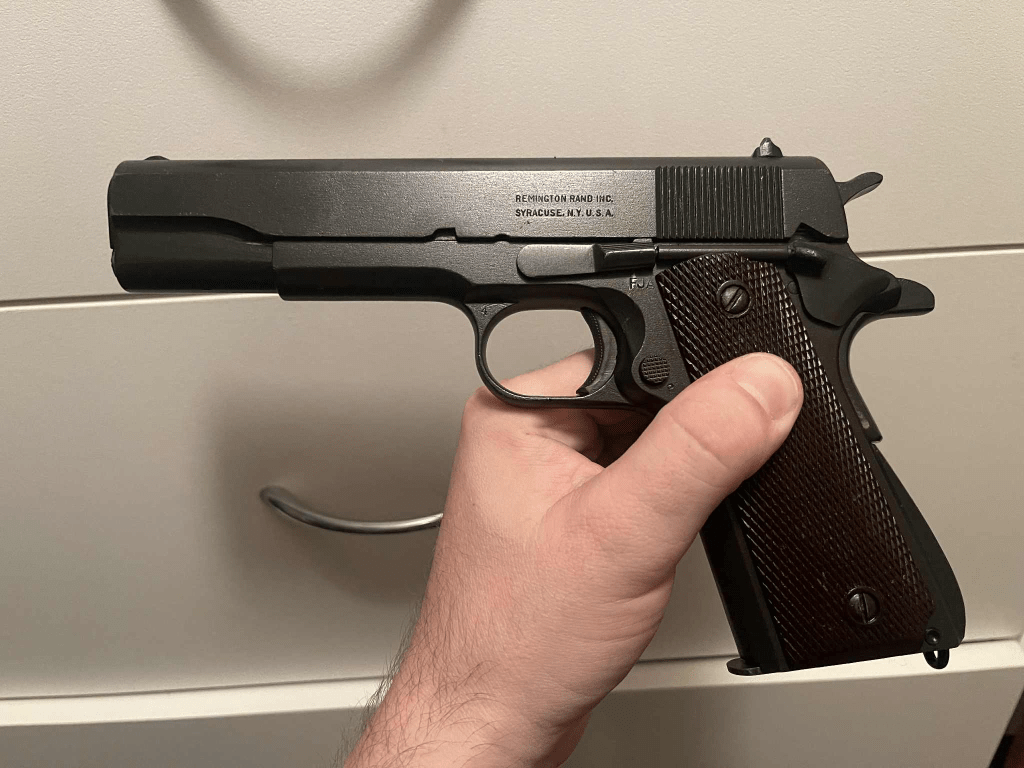
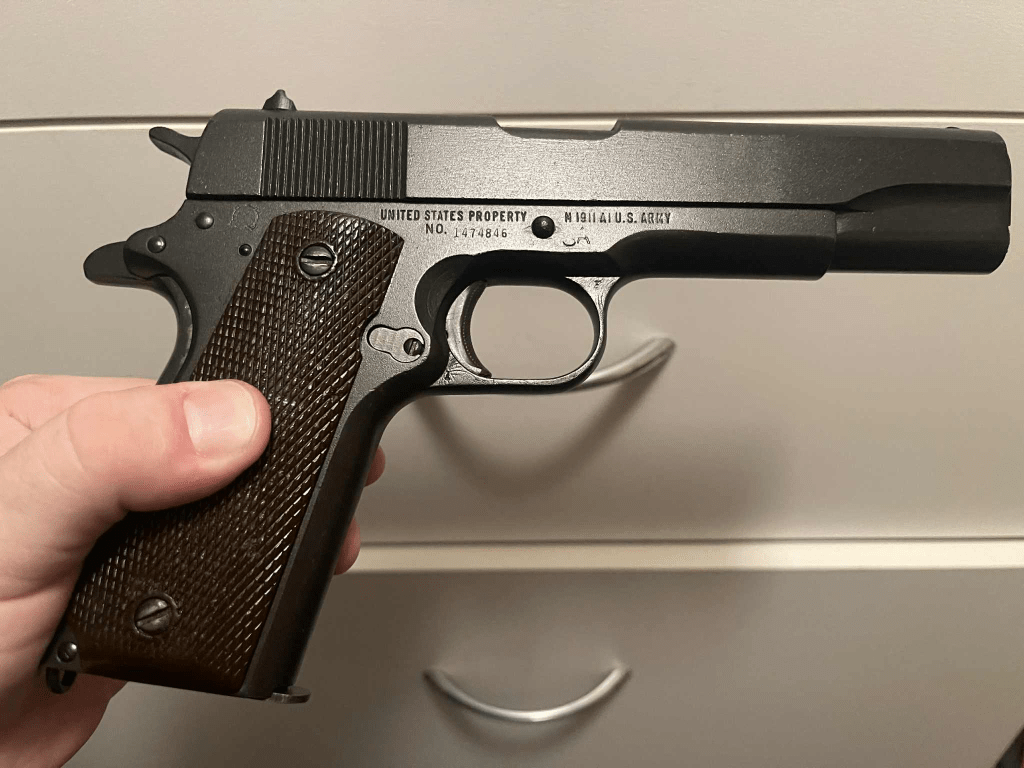
Our 1911A1 Remington Rand .45ACP pistol has a unique history. During an auction in Auckland, my uncle intended to bid on a BAR, but my grandmother was drawn to the pristine 1911A1 on display. She successfully bid for it, adding it to our collection since Australian gun laws were stricter than New Zealand’s. The pistol stayed with my uncle in New Zealand until we managed the paperwork to import it to Australia, possibly firing its first rounds during a visit before joining our collection.
The United States adopted the M1911 pistol just in time for the First World War. Between Colt and Springfield Armory, roughly 643,000 pistols were produced by the end of 1918. As the war went on, and through the pistol’s service in France, a number of practical improvements were identified. These changes were eventually rolled into a batch of 10,000 pistols ordered from Colt in 1924, though they wouldn’t receive an official designation until years later. A second order of 10,000 followed in 1938. These pistols became the first officially designated M1911A1s. The updates focused on improving handling, including reshaped mainspring housing, larger sights, a longer grip tang, and a shorter trigger reach.
In 1939, the U.S. government issued contracts for what were known as M1911A1 “educational” pistols. These contracts called for just 500 pistols each and were intended to fund the creation of complete production tooling, which would then be stored for potential future use. Similar contracts were issued for rifles and machine guns. Two companies received these contracts: Harrington & Richardson, and the Singer Sewing Machine Company. Singers successfully completed its pistols but soon shifted to higher-priority wartime production such as artillery sights. H&R, on the other hand, was unable to complete its contract, which was ultimately cancelled in the spring of 1942.
Once the United States entered the war, demand for pistols increased dramatically. Three additional manufacturers were brought on to produce the M1911A1: Remington-Rand, Ithaca, and Union Switch & Signal. Alongside existing production at Colt and Springfield, these companies produced roughly 1.9 million pistols during the Second World War—enough to equip all branches of the U.S. military until the platform was finally replaced by the Beretta 92 in 1985.
The example being discussed here is a Remington-Rand pistol manufactured in April 1945. Remington-Rand received its first contract in May 1942 and delivered its final pistols in July 1945. Over that period, the company produced a total of 877,751 pistols, falling within the following serial number blocks:
916405 – 1041404
1279699 – 1441430
1471431 – 1609528
1743847 – 1816641
1890504 – 2075103
2164404 – 2244803
2380014 – 2619013 (with the final pistol numbered 2465139)
Our 1911 has the serial Number of 1474846 which means it was manufactured in 1943 and is part of the 3rd batch Remington Rand produced.
It is a common misconception that these pistols were made by the well-known firearms company Remington. You can see why but in fact Remington rand was a typewriter company based in Syracuse, New York, USA. Who was just one of the companies that were given a educational contracts for the 1911A1.
I hope you enjoyed a close look at our 1911A1 Remington Rand!

 Baker arms collection