I have been researching the American civil war and some of the Defining Battles also infantry rifle used in the conflict.
It’s Over a hundred 160 years since the American civil war started, and raged for (4 long years, 1 month and 2 weeks) what a hell of a thing it must have been, so many casualties and lives lost.
While searching infantry rifle I came across the Remington 1863 which was of interest to me because
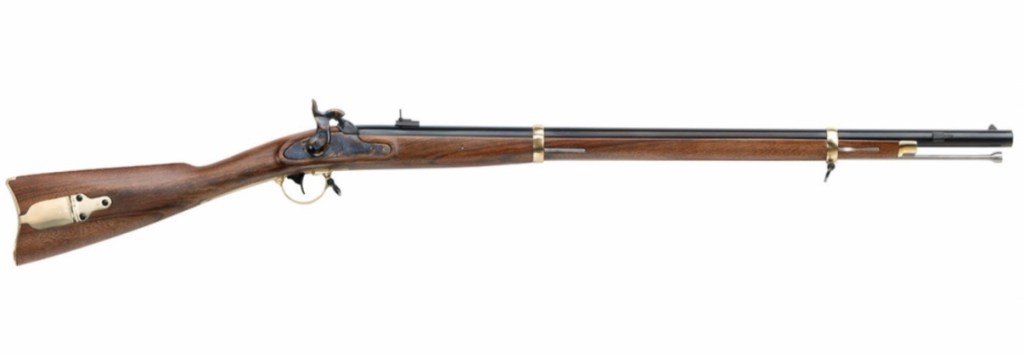
I have a Armi Jager .58 cal Percussion rifle which I believe is a replica of the Remington 1863 rifle.
Also known as the “Zouave Rifle,.58-caliber muzzle loading 1863 Remington ,Although over 11,000 were manufactured, exactly who used them and how they acquired the name Zouave is a bit of a mysteries.The Zouaves were a class of light infantry regiments of the French Army serving from 1830 to 1962 so I am thinking the rifle might have got its name from that, (light infantry) but really not sure.
I stumbled across this information which I found very interesting.
While collectors have long referred to the Remington Zouave Rifle as the US Model 1863, information published by arms researcher and author George Moller indicates that the correct terminology is the Model 1862 Rifle. These 33” barreled percussion rifles are among the most attractive and best built of all the Civil War era US military long arms. In July of 1861, the US government contracted with the Remington Arms Company of Ilion, NY to produce 10,000 rifles of the Harper’s Ferry pattern, complete with brass handled saber bayonets for $20.00 each. The term Harper’s Ferry pattern during the period referred to either the Harper’s Ferry long-range altered Mississippi Rifle or the US Model 1855 rifle that had been in production at the rifle works in Harper’s Ferry prior to the burning of the armory and its subsequent capture by the Confederacy. In reality the rifle was a simplified and improved version of the US M1855 rifle. It eliminated the Maynard mechanical tape priming system and included older M1841 features like brass furniture and seven-groove rifling on some of the rifles, while others were rifled with the standard US three-groove rifling system.
Due to manufacturing delays, probably due to the tooling up process at the factory, Remington did not actually deliver any arms until April of 1863. While testifying before the Holt-Owens Commission in April of 1862, Remington requested that the contract be enlarged to 40,000 or 50,000 rifles and offered to reduce the per unit price from $20 to $17, complete with bayonet. The Ordnance Department agreed to a new contract for an additional 10,000 rifles in August of 1862, but it appears that this contract simply replaced the contract from 1861. Additional manufacturing delays prevented the last 2,500 rifles from the contract from being delivered before the contract expired. In order to receive these rifles, the Ordnance Department authorized a new contract in December of 1863 for 2,500 rifles. This allowed the guns to be delivered but has led to the misconception that Remington actually produced 12,500 rifles, when in fact they only delivered 10,001 between April of 1863 and January of 1864. All of the rifles were delivered to the Watervliet Arsenal in New York, but none were ever issued during the course of the war. All of the rifles were sold to Francis Bannerman & Company on August 8, 1907 for $0.54 each, having never seen any military service, and essentially becoming a footnote in Civil War military arms history. It is interesting that when the Centennial of the American Civil War brought Civil War re-enacting to a large number of new participants, it was the Remington “Zouave” that was chosen as the representative Civil War long arm to have reproduced for the new living historians. A truly ironic choice for those involved in a hobby that would be plagued with historical pitfalls and misconceptions from its very beginnings!
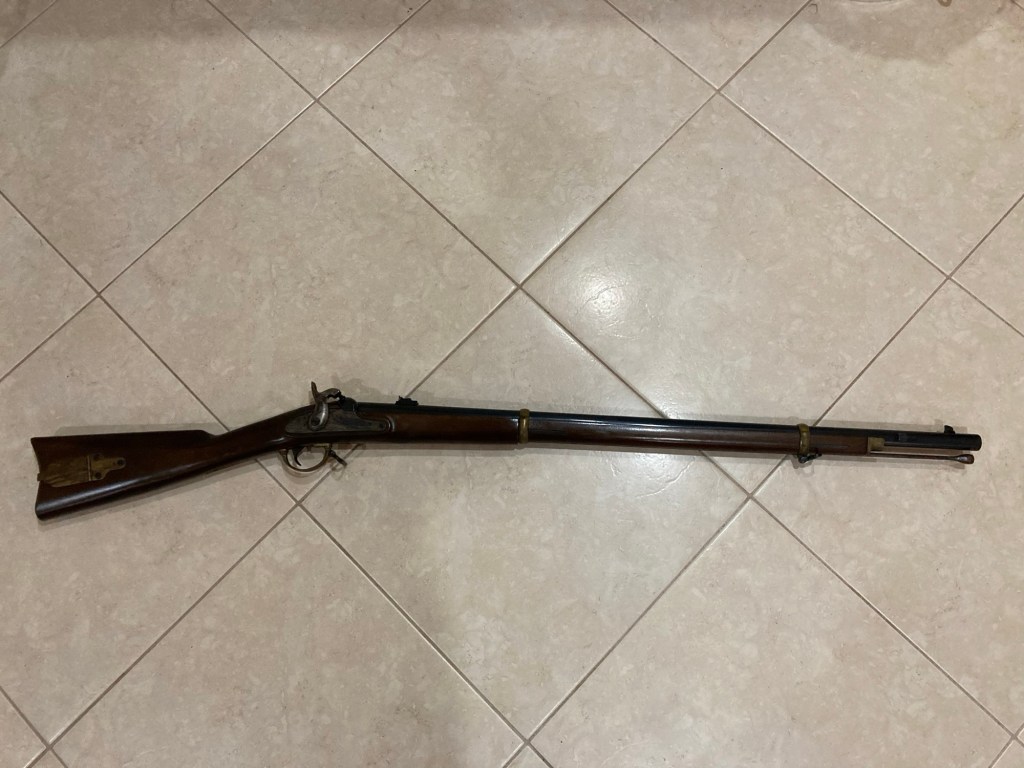
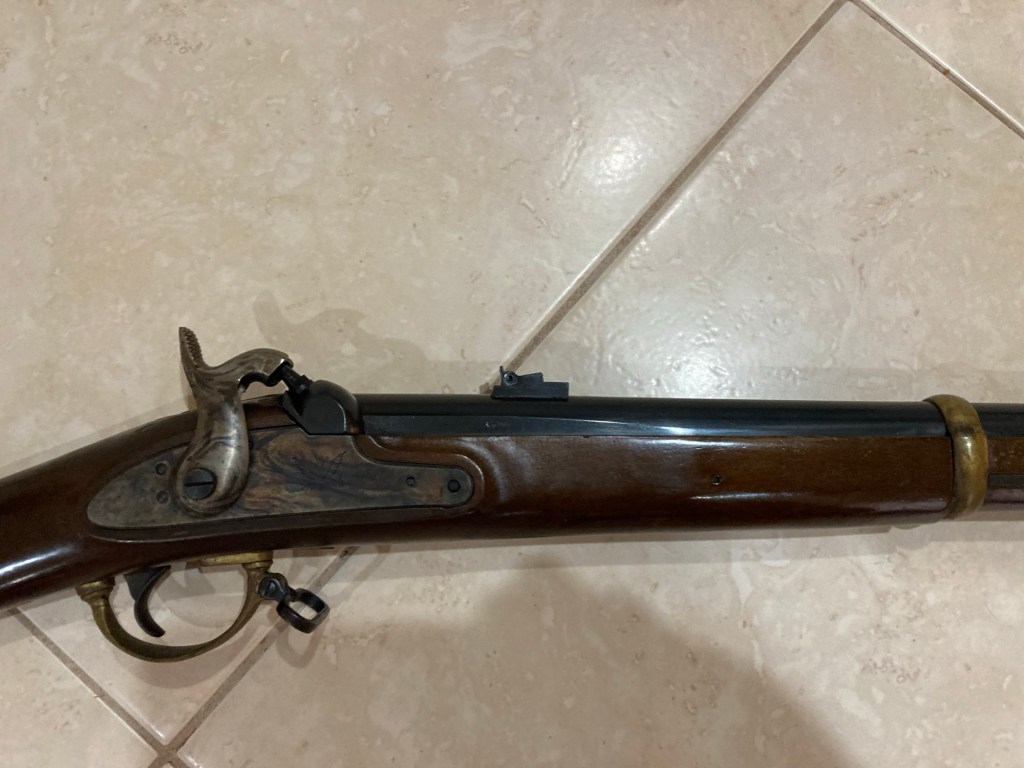
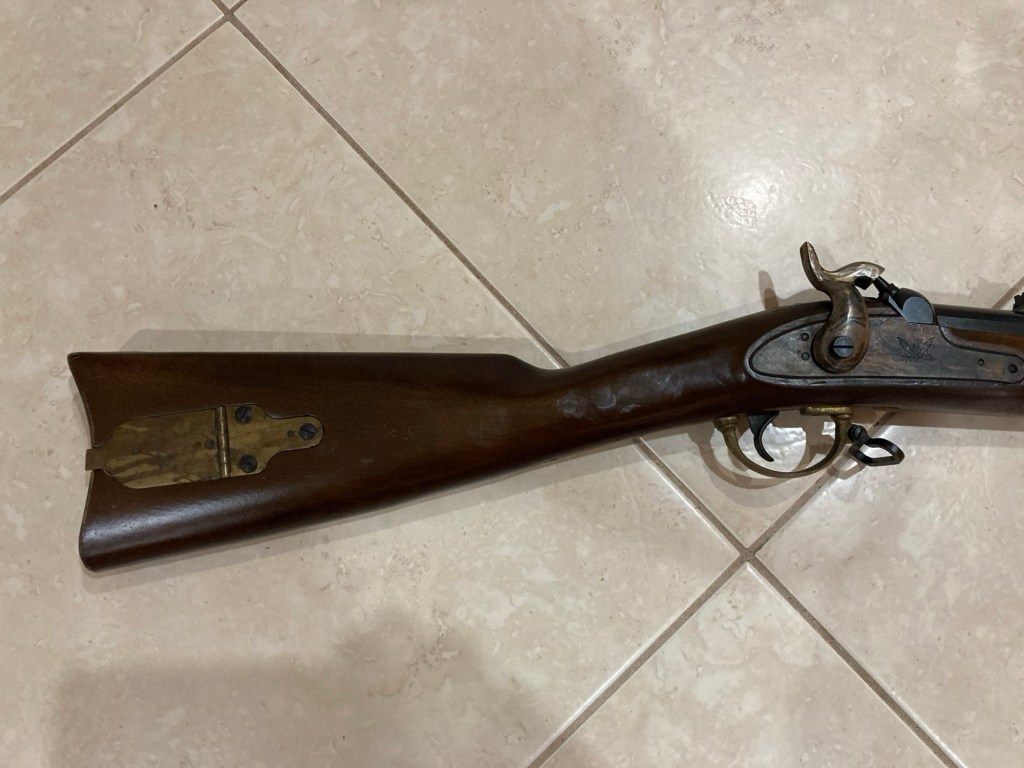
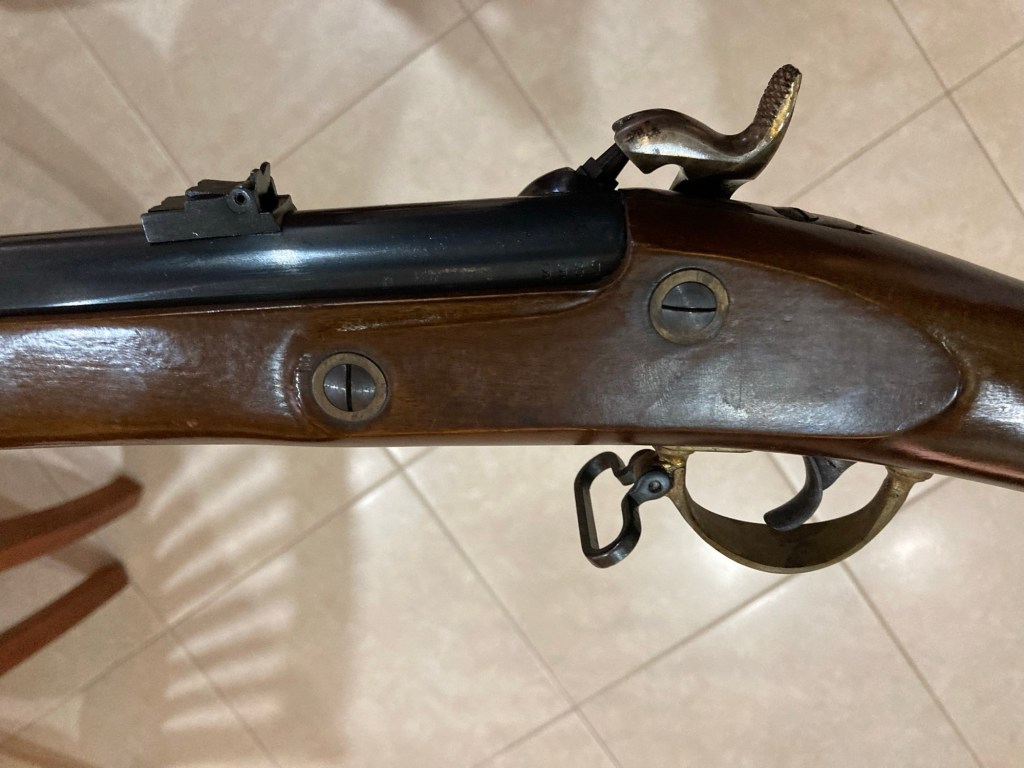
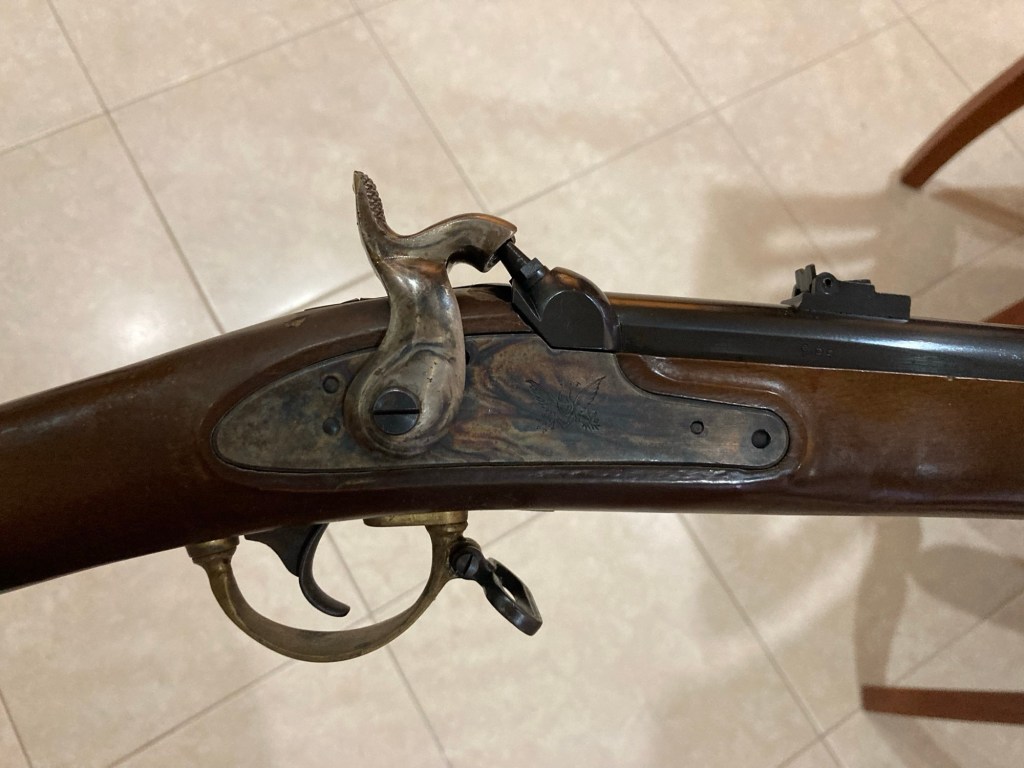
 Baker arms collection
Leave a comment